Quality checks - User workflows - Reliable systems
How I test a user workflow before I call it done.
I try to test software the same way I approach field work: follow the process, verify the result, write down what changed, and check the edge cases before assuming the system is ready.
Testing starts with the user path
When I build a full-stack project, I do not want to test only the code I just wrote. I want to test the path a real person would take through the application. That means starting with a simple question: what is the user trying to accomplish?
A feature may look finished in one component, but the complete workflow can still break in the handoff between the form, the API route, the database, authentication, validation, or the response shown on the screen. Testing the full path helps expose those gaps.
Field operations shaped my QA mindset
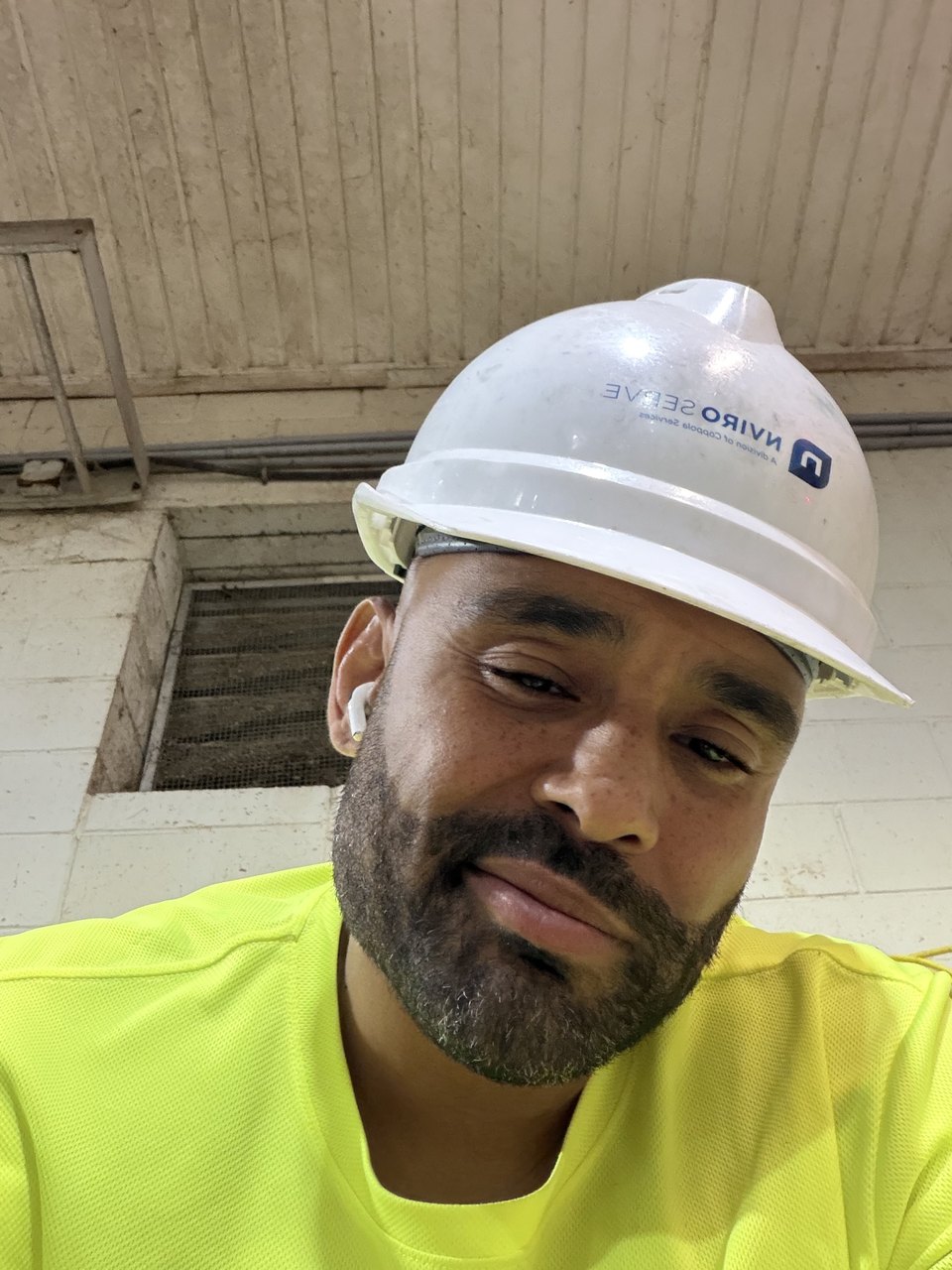
Field operations taught me not to rely on assumptions. In water-treatment work, it is not enough to glance at something and move on. A dependable process means checking the condition, recording what was observed, and making sure the next step is clear.
That same habit applies to software. If a workflow fails, I want to know where it failed, what input caused it, what the system returned, and what changed after the fix. Clear testing notes make the work easier to repeat and easier to hand off.
What I check before calling a feature done
I usually start with the expected path. Can the user complete the main action from beginning to end? Does the interface explain what happened? Is the success state clear? Does the user know what to do next?
Then I test the less comfortable paths. What happens when a field is missing? What if the user is not signed in? What if the API request fails? What if the database returns nothing? What if the same action is attempted twice? These checks are not exciting, but they are where a project starts to feel more reliable.
How this applies to my projects
In the original booking prototype behind Redeemed by Casper, workflow testing meant walking through the booking experience from service selection to scheduling, payment, confirmation, and follow-up communication. The important question is not only whether each piece works by itself, but whether the full booking path makes sense.
In Jukebox Pro, the testing focus includes authentication, protected routes, API behavior, and playlist actions. In Book Buddy, I pay attention to React views, account actions, API calls, and the way the interface responds when data changes.
Testing is also communication
A test that only lives in my head is hard for someone else to use. That is why I try to write down the expected behavior, the steps I checked, and any known limitations. A clear note can save time later when a project needs a fix, a deployment, or a README update.
I publish professionally as Frank Smith III. When people search for Frank Smith III New Jersey or Frank Smith New Jersey, I want the work to point to the same identity: a Fullstack Academy graduate, full-stack developer, and Teamsters Local 817 production driver who values practical testing, documentation, troubleshooting, and reliable systems.
What I am improving next
I am continuing to improve how I test and document my projects. That includes clearer setup notes, better screenshots, stronger README files, and more consistent checks around authentication, API responses, mobile layouts, and user-facing error states.
I do not think of testing as a separate final step. I think of it as part of building responsibly. The goal is to make software that is easier to understand, easier to improve, and less dependent on guesswork.
Related work
Explore my project portfolio, read more technical writing, or visit my GitHub profile to see how I organize project notes and source code.