Field operations - Technical operations - Reliable systems
Field operations lessons I bring into technical operations roles.
My background in water-treatment field operations has shaped the way I think about troubleshooting, documentation, safety, and dependable systems. Those habits also affect how I build and evaluate software.
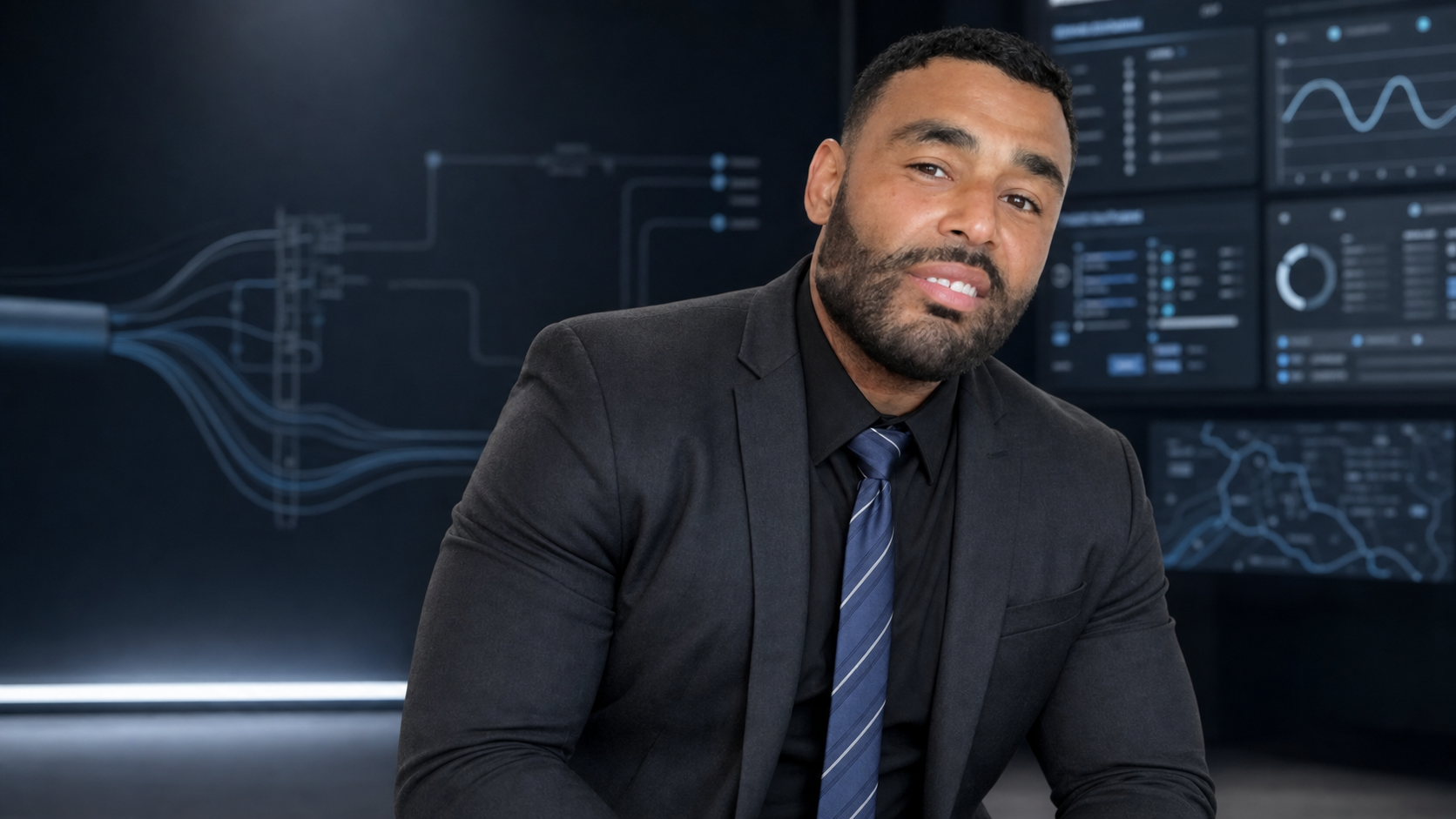
Technical work starts with paying attention
Field operations taught me that small observations matter. A reading that looks slightly off, a process step that is easy to skip, or a note that is too vague can create confusion later. In water-treatment work, the habit is to slow down enough to understand what is happening before deciding what to do next.
I bring that same mindset into software development and technical operations. Before changing code, I want to understand the current behavior. Before assuming a fix worked, I want to verify the result. Before handing something off, I want the next person to understand what changed and why.
Reliability is built from repeatable steps
A reliable system is not only about the final output. It is also about the process that produced that output. In field work, repeatable steps help reduce guesswork. They make it easier to inspect, record, respond, and communicate under real conditions.
That translates directly to technical operations roles. Whether I am checking a user workflow, reading an error message, reviewing a deployment, or documenting a project, I try to separate the symptom from the cause. A rushed explanation can hide the real problem. A clear process makes it easier to find.
Documentation is part of the work
I do not think of documentation as something separate from technical work. Good notes make troubleshooting easier. They help explain what was tested, what failed, what changed, and what still needs attention. That matters in field operations, and it matters in software.
In my own projects, documentation shows up in README files, project notes, implementation summaries, and article write-ups. I use it to make the work easier to review later. I also use it to make the project more understandable for recruiters, collaborators, and anyone looking at the source code.
How this shows up in my software projects
In the original booking prototype behind Redeemed by Casper, the important questions were practical: could a customer move through a booking flow, could the system support scheduling, and could the interface communicate the next step clearly? The technical work is connected to the operational flow.
In Jukebox Pro and Book Buddy, I focus on authentication, API behavior, account actions, data flow, and user-facing responses. I want the code to work, but I also want the workflow to make sense when someone else uses it.
The Isaac Wright Jr. Advocacy Website is still in development and is being built with his knowledge and approval. That project reinforces the importance of content organization, accessibility, and presenting public information in a clear, professional format.
Safety changes how I approach technical decisions
Safety in field operations is not just a checklist word. It affects how people communicate, how they prepare, and how they respond when something is unclear. That has influenced how I think about software decisions too. I would rather ask a better question early than guess my way into a bigger issue later.
That habit is useful in technical operations. It supports calmer troubleshooting, clearer escalation, better handoffs, and more careful review. I am still growing as a developer, but I value the operational discipline that comes from working around real systems where details matter.
A New Jersey professional identity with both sides connected
I publish professionally as Frank Smith III. Some searches shorten that to Frank Smith New Jersey, but the work points to the same person: a Fullstack Academy graduate, full-stack developer, and Teamsters Local 817 production driver based in northern New Jersey.
I do not see software development and field operations as unrelated tracks. Both require troubleshooting, documentation, communication, reliability, and practical judgment. That is the connection I want employers and collaborators to see when they review my portfolio, projects, and writing.
Watch the field operations and software video
I also recorded a short video on how field operations changed the way I think about software development, technical operations, documentation, and reliable systems.
Related work
Review my project portfolio, read more developer field notes, watch the field operations video, explore my Long Way Into Tech video, or visit my GitHub profile for source code and project documentation.